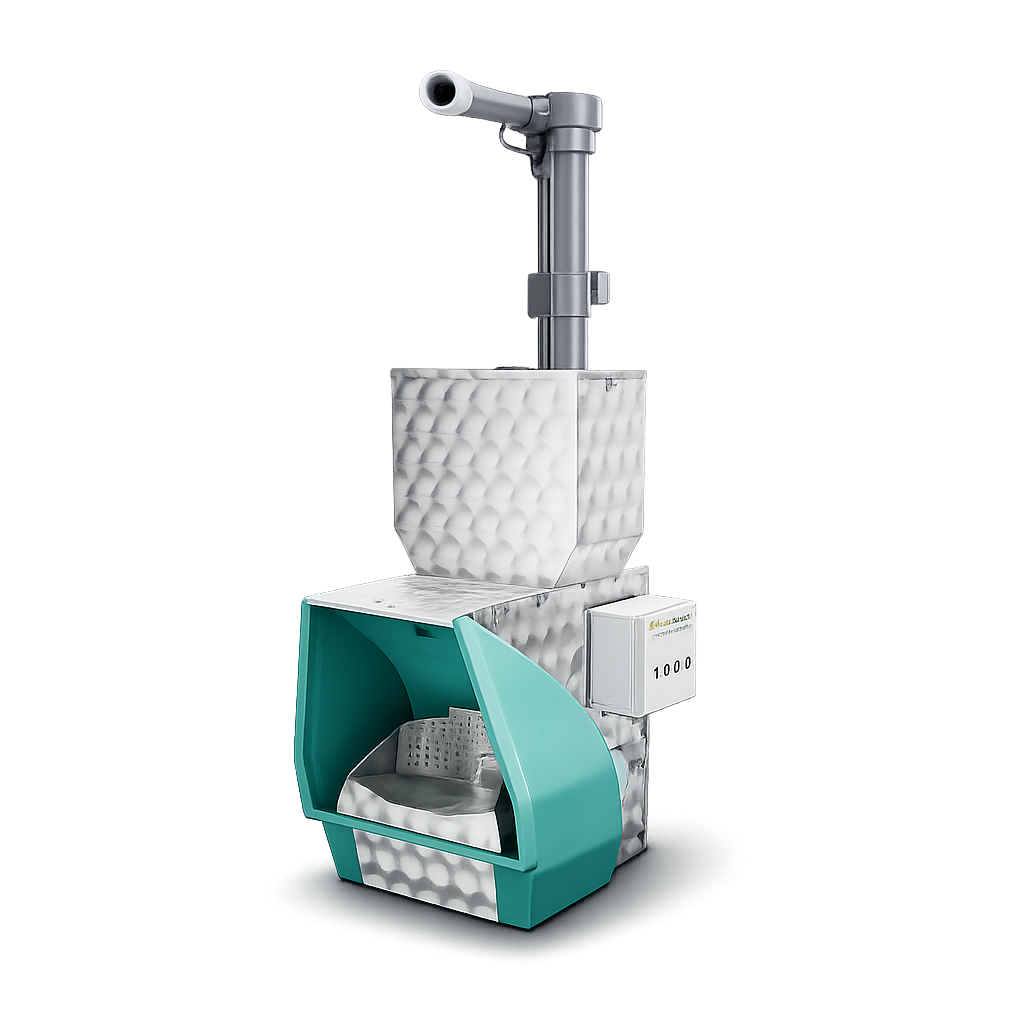
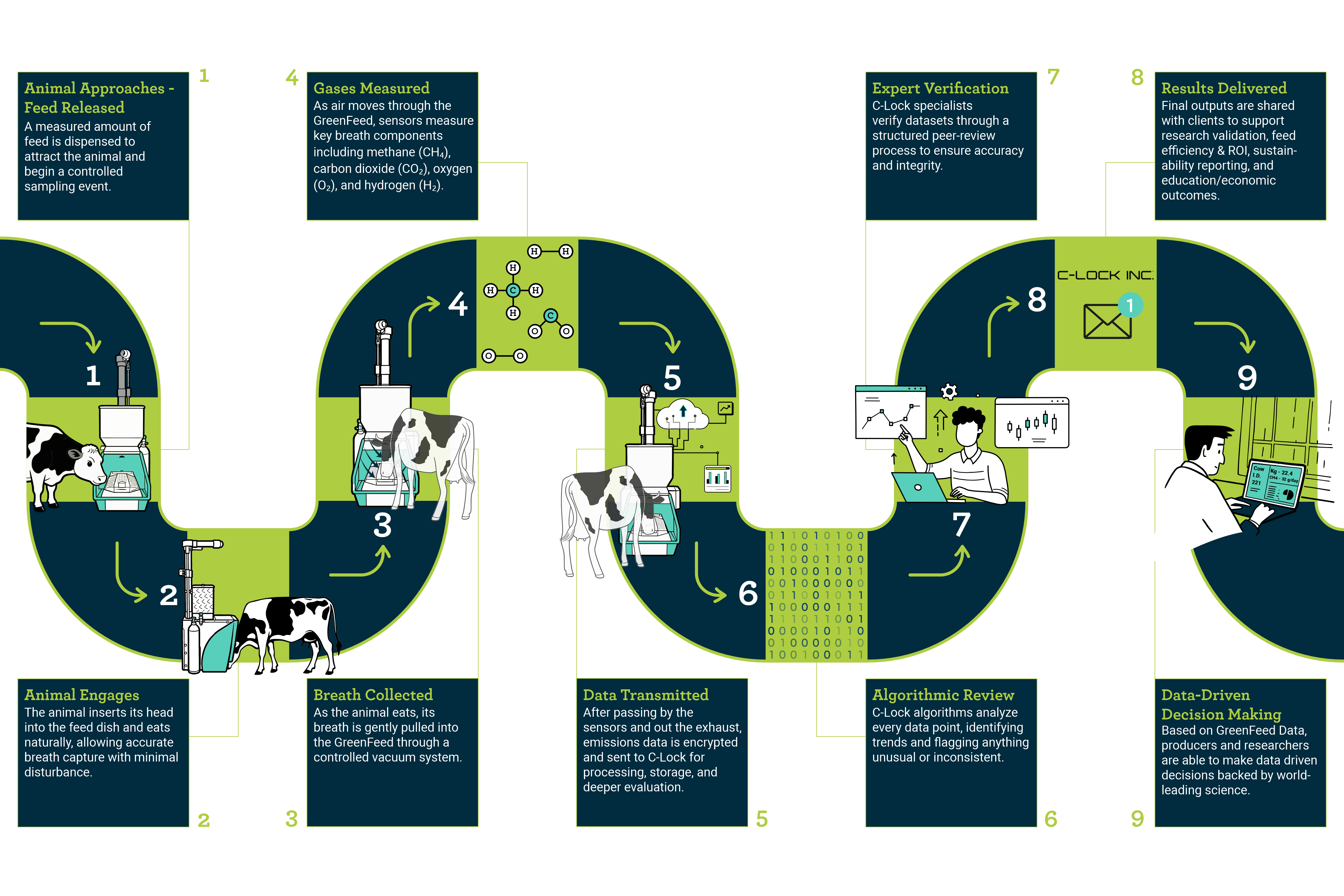
C-Lock's GreenFeed® systems capture real-time methane and CO₂ data from individual animals under normal production conditions — delivering the precision demanded by researchers, producers, and corporate sustainability programs worldwide.
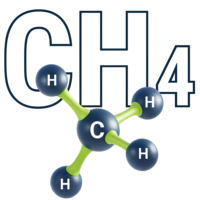

Methane (CH₄)
Methane is the primary greenhouse gas produced by cattle through enteric fermentation, making it the central focus of emissions measurement. Quantifying methane output allows producers and researchers to evaluate the environmental impact of their herd and identify opportunities to reduce emissions through genetics, feed, and management strategies.
Carbon Dioxide (CO₂)
Measuring (CO₂) allows C-Lock to use it as a reliable proxy for estimating feed intake — providing valuable insights into animal efficiency without feed weighing. CO₂ measurements also help capture the full picture of a cow's carbon footprint, enabling a more complete accounting of greenhouse gas emissions at the individual animal level.
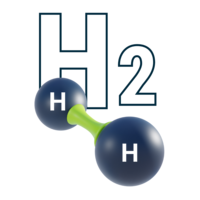
Hydrogen (H₂)
Hydrogen is an intermediate gas produced during rumen fermentation, and measuring residual levels provides a window into the microbial dynamics driving methane production. Tracking hydrogen helps researchers better understand the relationship between diet, fermentation, and emissions to enable more targeted reduction strategies.
Oxygen (O₂)
Measuring oxygen consumption allows C-Lock to assess an animal's metabolic rate, offering insights into energy expenditure that complement emissions data. Monitoring oxygen alongside other gases provides a more complete picture of energy balance — a key factor in understanding both productivity and environmental efficiency.
Concentration tells you what's in the air.
Flux tells you what's leaving the cow.
Emissions Measurement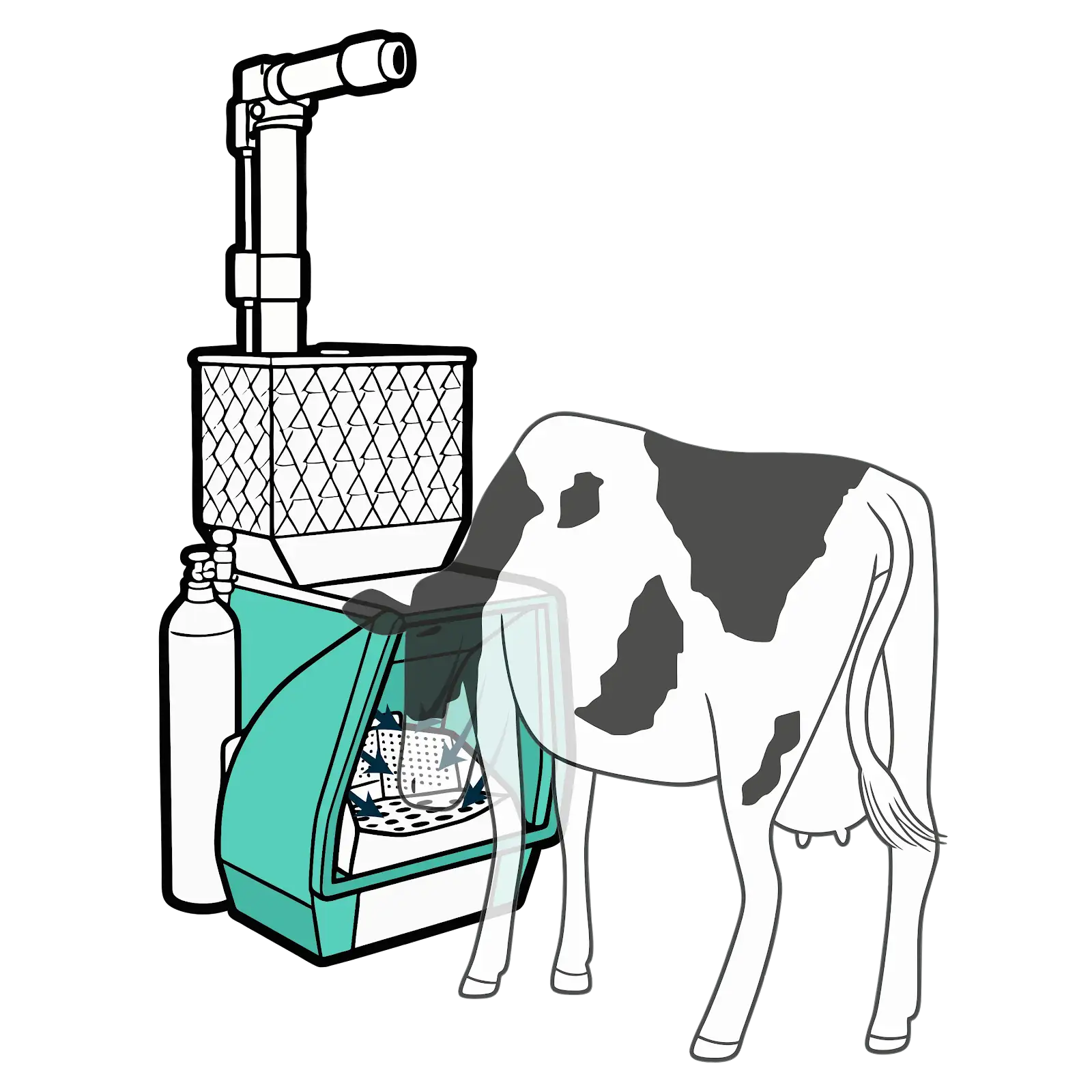
Every feature in GreenFeed was built around one principle: emissions data only has value if
it's accurate, individual-level, comparable and collected under real-world conditions.
Here's what that looks like in practice.
Most emissions monitoring systems report gas concentration, or how much methane is present in a sample of air. GreenFeed reports flux, the actual mass of gas an animal emits per unit of time, expressed in grams per day. That distinction is the difference between a guess and a number you can actually use to manage your animals.
Report parts-per-million readings that vary with airflow, barn ventilation, animal position, and ambient conditions. Cannot be compared across sites, seasons, or studies. Not suitable for peer review or regulatory reporting.
Reports grams of CH₄ and CO₂ emitted per animal per day — a standardized, site-independent value. Comparable across herds, institutions, and geographies. The unit of measurement used in every major peer-reviewed emissions study worldwide.
The same measurement that powers a research study can verify a sustainability claim and rank a producer's herd for profitability — all from the same unit. See how C-Lock's emissions monitoring fits your specific goals — whether you're in the field, the lab, or the boardroom.
Feed efficiency. Genetic selection. Increasing profitability. Sustainability verification. See how GreenFeed fits your operation.
Learn MoreResearch-grade accuracy. Individual-animal insights and resolution. The data that holds up to peer review. See how GreenFeed supports your work.
Learn MoreVerifiable emissions data for ESG reporting, carbon programs, and supply chain accountability. See what GreenFeed delivers at scale.
Learn MoreFrom pen to pasture, GreenFeed delivers the individual-animal emissions data that herd-level estimates simply cannot provide.
GreenFeed uses flux-based measurement technology to quantify methane emissions with unmatched accuracy, capturing real-time gas exchange to deliver precise and reliable data for research and production environments.
Data can be compared worldwide because every GreenFeed is calibrated against a baseline.
Measurements in Ireland are directly comparable to measurements made in Wisconsin.
Backed by over 800 peer-reviewed studies, GreenFeed is a proven and trusted system used by researchers and producers around the world.
By combining emissions data with production metrics such as weight gain, milk output, or intake, C-Lock solutions provide a comprehensive view of how animals perform and convert resources into results.