
How C-Lock Technology Help Corporations Build Sustainable Brands & Marketing Campaigns

In an era of growing consumer demand for climate-conscious products, corporations are increasingly focused on positioning their brands as carbon-neutral, sustainable, and environmentally responsible. C-Lock’s precision livestock systems provide the verified emissions data and scientific credibility needed to support authentic sustainability claims, improve brand value, and avoid greenwashing risk.

Enables Verifiable Low-Carbon Product Claims

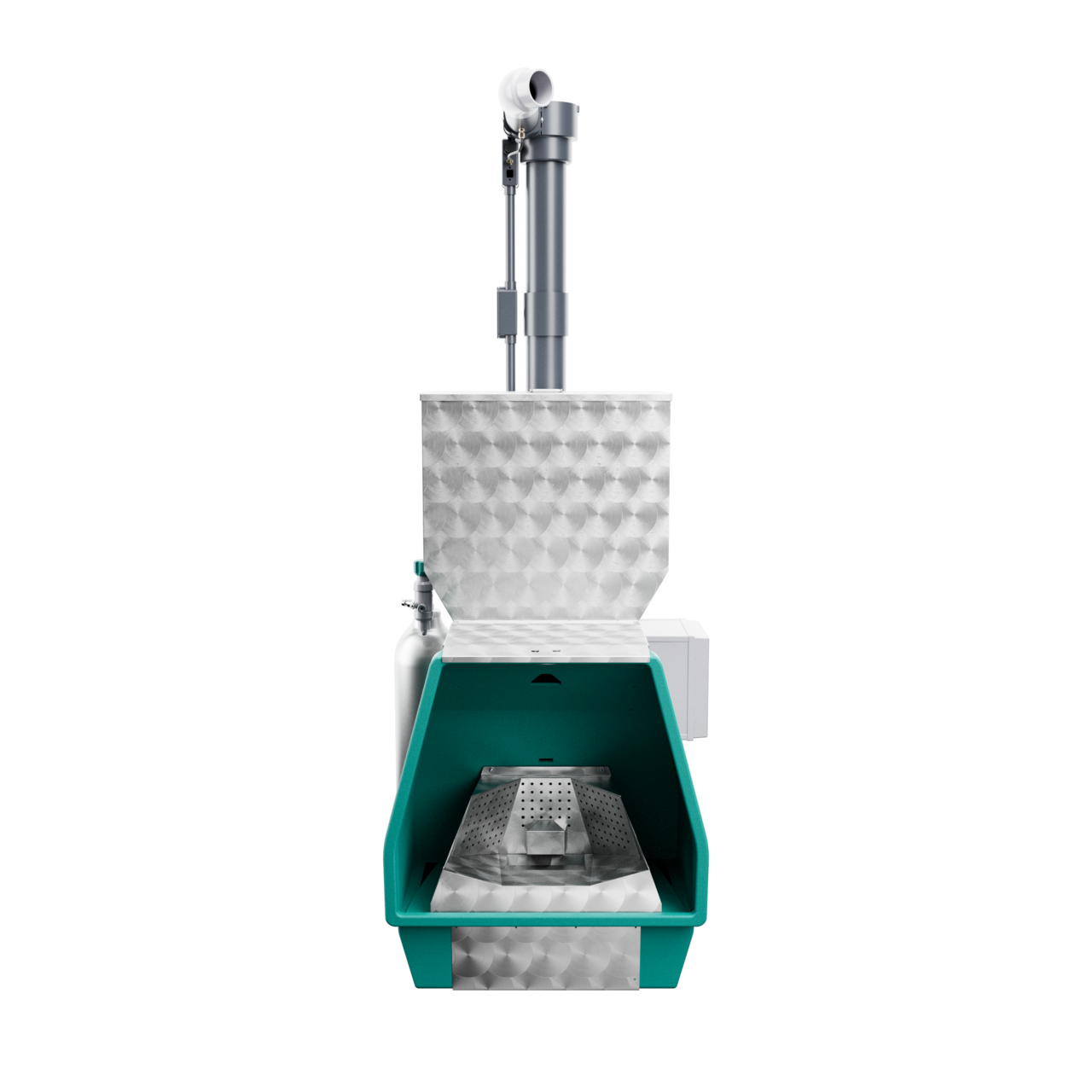
  • C-Lock’s GreenFeed system measures actual methane emissions (CH₄) per animal per day, enabling corporations to:
    • Quantify GHG reductions per kg of beef or liter of milk.
    • Market products as “methane-reduced”, “climate-smart,” or “carbon-accounted.”

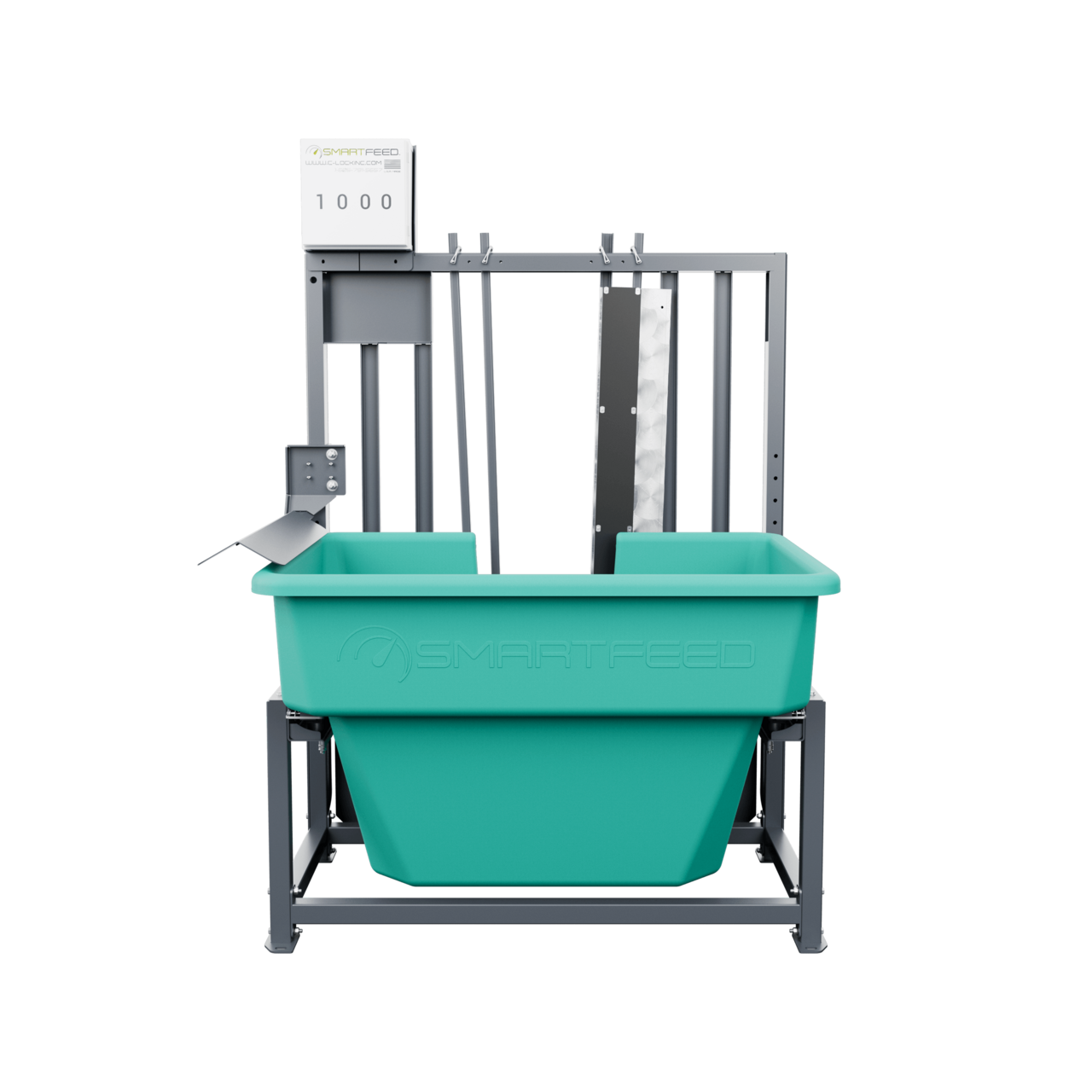
  • When paired with SmartFeed (intake) and SmartScale (growth), companies can calculate:
    • Emissions intensity metrics (e.g., CH₄/kg liveweight gain).
    • Product-level carbon footprints used in life cycle assessments (LCAs) and eco-labeling.

Supports Carbon-Neutral Brand Strategies

  • GreenFeed data supports Scope 1 & Scope 3 emission tracking, a requirement for making “carbon neutral” or “net-zero” claims.
  • Companies can market fully traceable carbon reductions when combined with:
    • Feed-based mitigation (e.g., 3-NOP)
    • Carbon offset purchases or insets

  • “Verified by GreenFeed CH₄ Monitoring”
  • “Reduced-Emission Beef from Enteric Methane-Limited Herds”
  • “Scope 3-Aligned Milk from Certified Low-Methane Dairies”

Enhances Consumer and Investor Trust

Scientific Validation and Third-Party Credibility

  • GreenFeed is endorsed by:
    • Verra’s VM0041 carbon credit methodology
    • FAO LEAP (2023)
    • USDA ARS (2024)
    • Global Research Alliance SOP
  • These endorsements give companies confidence that their GHG-related brand claims will withstand scrutiny from:
    • Consumers
    • Sustainability auditors
    • ESG investors

Differentiates Brands in Competitive Markets

  • Verified methane reduction can be a market differentiator in:
    • Retail beef/milk branding
    • Sustainable foodservice contracts
    • Eco-label certification programs (e.g., Carbon Trust, RegenAg, Savory Institute)

  • Corporations can reward suppliers for participation in GreenFeed-monitored programs:
    • “Certified Low-CH₄ Beef Partner”
    • “Emissions-Accounted Supply Chain”

Strategic Branding Value of C-Lock Technology

Marketing Objective How C-Lock Supports It
Authentic Sustainability Claims Provides scientifically verified CH₄, CO₂, and efficiency data
Carbon-Neutral Product Messaging Enables Scope 1 & 3 emission tracking per unit of output
Regulatory-Proof Claims Aligned with FAO, Verra, and USDA protocols
Brand Differentiation Enables labeling and marketing around low-emission livestock
Investor & Consumer Confidence Transparent, auditable emissions reductions support ESG credibility

List of Acronyms and Their Definitions

Acronym Full Term Explanation
GHG Greenhouse Gas Gases that trap heat in the atmosphere; includes CH₄, CO₂, and N₂O.
GRA Global Research Alliance on Agricultural Greenhouse Gases An international research network focused on reducing agricultural GHG emissions.
UNFCCC United Nations Framework Convention on Climate Change The global treaty guiding climate change mitigation and GHG accounting.
FAO Food and Agriculture Organization of the United Nations A UN agency that sets global standards for agriculture and food systems.
LEAP Livestock Environmental Assessment and Performance Partnership An FAO-led initiative to develop GHG metrics and environmental standards for livestock.
IPCC Intergovernmental Panel on Climate Change The UN body responsible for assessing climate science and developing global GHG accounting methodologies.
VM0041 Verra Methodology 0041 A Verra carbon credit protocol specifically for enteric methane reduction in ruminants.
VCS Verified Carbon Standard A widely used voluntary carbon market program managed by Verra.
MRV Measurement, Reporting, and Verification A structured process to measure and validate GHG emissions and reductions for policy or market purposes.
NDC Nationally Determined Contribution A country’s formal GHG reduction pledge under the Paris Agreement.
ESG Environmental, Social, and Governance Corporate criteria for sustainability and responsible investment.
FCR Feed Conversion Ratio A metric for efficiency—how much feed it takes to produce a unit of gain or milk.
RFI Residual Feed Intake A genetic trait indicating feed efficiency independent of growth or production level.
PI Principal Investigator The lead researcher on a grant or academic project.
USDA United States Department of Agriculture The U.S. government agency overseeing agriculture and livestock research.
ARS Agricultural Research Service The USDA’s in-house research division focused on agricultural innovation.
SOP Standard Operating Procedure A detailed document outlining standardized procedures for operating equipment like GreenFeed.
Scope 1 Emissions Direct Emissions GHG emissions from sources owned or controlled by the reporting company (e.g., on-site livestock herds).
Scope 3 Emissions Value Chain Emissions Indirect emissions that occur in the company’s supply chain, such as methane from third-party cattle operations.
Paris Agreement A 2015 international climate treaty under the UNFCCC, aimed at limiting global warming to below 2°C.
Verra A leading nonprofit organization managing voluntary carbon standards, including the Verified Carbon Standard (VCS).
SBTi Science Based Targets initiative A global body that helps companies set GHG reduction goals aligned with climate science.
CDP Carbon Disclosure Project A nonprofit that runs a global disclosure system for companies’ environmental impacts.
GRI Global Reporting Initiative An international standard for sustainability reporting.
TCFD Task Force on Climate-related Financial Disclosures A framework to help companies disclose climate-related financial risks.
CO₂e Carbon Dioxide Equivalent A standardized unit for comparing different greenhouse gases based on their global warming potential.
LCA Life Cycle Assessment A scientific method for evaluating the total environmental impact of a product across its life stages (e.g., cradle to grave).