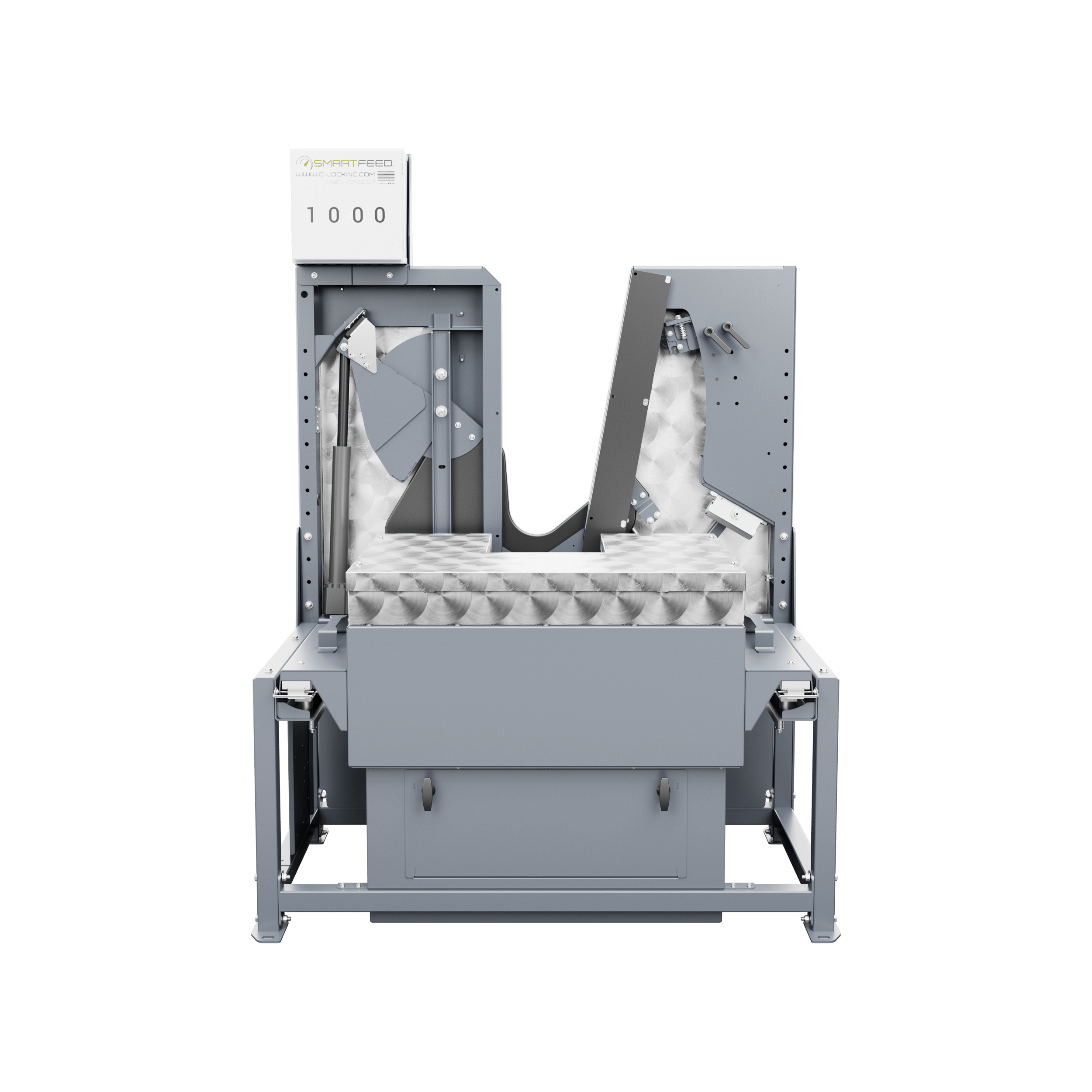
C-Lock provides individual-animal performance metrics for cattle, sheep, dairy, and other ruminant operations. Our systems measure the key performance indicators that drive efficiency, productivity, and profitability, including:
Together, these measurements help producers identify top performers, evaluate feed efficiency, and understand how effectively animals convert inputs into outputs.
C-Lock’s SmartLine and GreenFeed systems collect highly accurate, real-time data at the individual animal level. This data is processed through proprietary C-Lock algorithms and reviewed by our scientific team to ensure accuracy and consistency.
Results are delivered in clear, actionable reports—allowing producers to optimize management strategies, improve performance, and maximize return on investment.
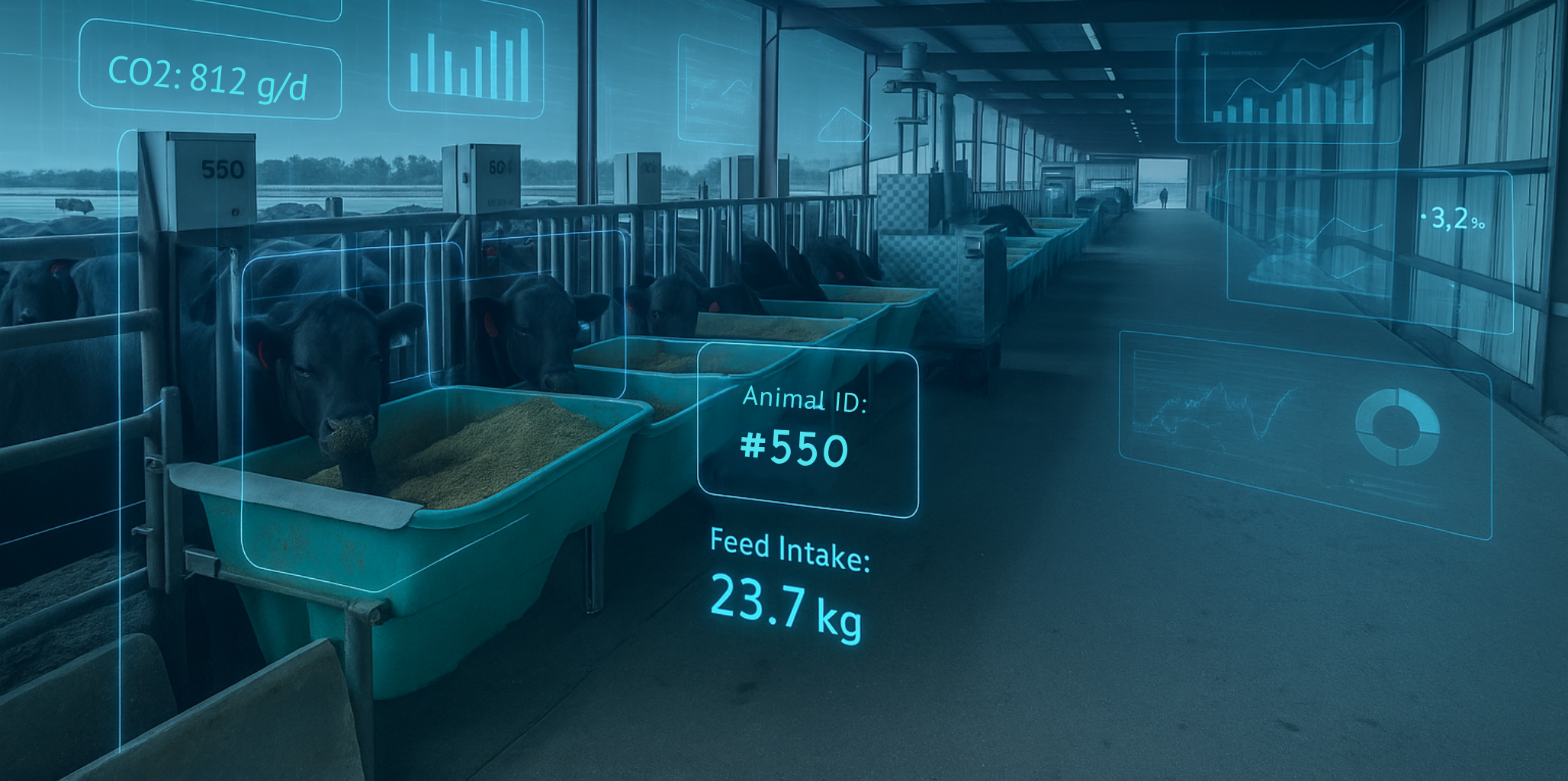
By turning individual-animal data into clear, actionable insights, we help producers quickly identify what’s working, what isn’t, and where changes can improve performance and returns.
Our performance monitoring solutions support smarter ration optimization, improved feed conversion, and reduced inefficiencies—helping maximize animal performance and ensure feed dollars are spent where they deliver the most value.
Maximizing gain per unit of feed is central to profitability in livestock production. With feed costs representing the largest input expense, accurate feed efficiency measurement is critical. The best baseline for testing your herds feed conversion is doing a Feed Conversion Ration (FCR) Assessment.
A FCR Assessment tracks each animal’s feed intake and growth over time, the assessment calculates the pounds of feed required per pound of gain. This helps producers identify high-efficiency animals, optimize rations, and lower feed costs while improving overall herd performance.
How can you measure and track FCR without accurate feed intake and weight gain data over a period of time?
The Answer: You Can’t
C-Lock’s SmartLine products were built to help producers identify top performing cattle and sheep or goats for easier, data driven decisions based on feed efficiency. Our SmartLine products added together can solve the FCR equation for you.
SmartFeed + SmartWater + SmartScale is a proven, scalable tool for tracking feed efficiency at the individual animal level. Whether used for genetics, nutrition, or economics, it delivers the high-resolution data needed to drive better decisions on-farm and in research environments.
GreenFeed gives producers (and their advisors) a practical way to turn methane measurement from a research-only concept into routine, animal-level data they can use to evaluate feed strategies, document sustainability outcomes, and justify decisions with hard numbers.
Feeding lactating cows efficiently is the biggest opportunities to improve both milk yield and farm profitability, making tracking FER (Feed Efficiency Ratio) of the highest importance. With feed making up over 50% of total production costs, SmartLine gives producers the tools to track, manage, and optimize feeding per individual cow.
How can you measure and track FER without accurate feed intake, weight and milk production data over a period of time?
The Answer: You Can’t
SmartFeed transforms ration management from guesswork to data-driven feeding.
Producers gain:
| Feature | Livestock Producers | Dairy Producers |
| Key Objective | Maximize growth & reduce cost per lb of gain | Optimize DMI relative to milk output |
| Genetic Application | Bull selection for RFI & methane intensity | Selection of high-efficiency, low-CH₄ cows |
| Environment Type | Feedlot, backgrounding, or pasture systems | Confined dairies and controlled TMR environments |
| Efficiency Metric | Gain per kg of feed (FCR, RFI) | Milk per kg of feed (Feed-to-Milk Efficiency, RFI) |
| Emission Metric | CH₄ per kg of liveweight gain | CH₄ per liter of milk |
| Trial Duration | 70–120 days (feedlot or bull tests) | 305-day lactation periods (ongoing) |
| Carbon Strategy | Carbon credits (e.g., Verra VM0041) | Scope 3 compliance for processors & brands |
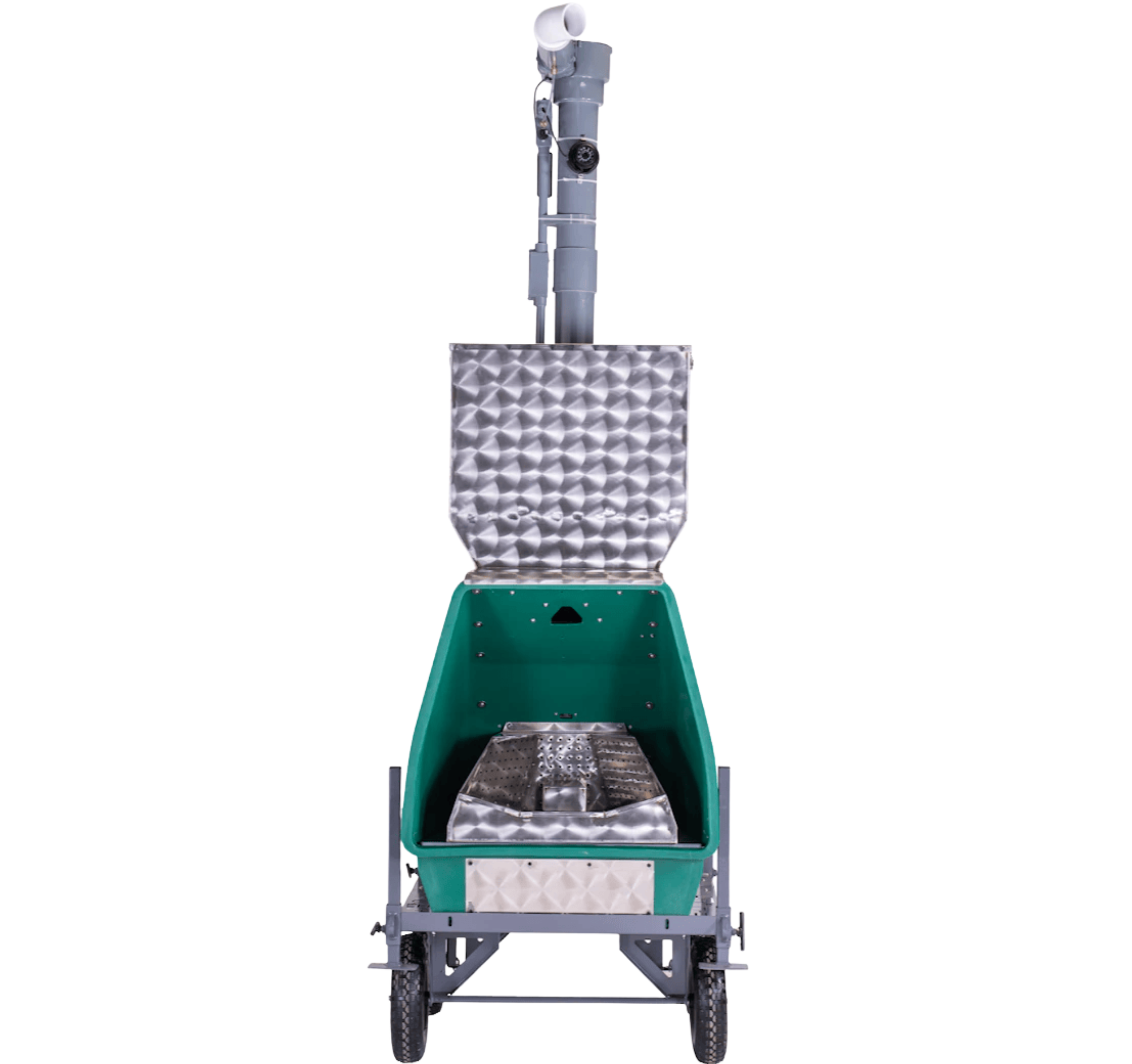
GreenFeed is C-Lock’s flagship system for measuring Methane (CH₄), Carbon Dioxide (CO₂), and optionally Oxygen (O₂) and Hydrogen (H₂) from individual animals. Recognized worldwide as the global standard in enteric methane measurement, GreenFeed provides real-time, research-grade data for both scientists and producers.
Using a small amount of pelleted bait, animals are naturally enticed to visit multiple times per day, allowing GreenFeed to capture and analyze breath samples automatically. The system then processes this data into precise emission flux reports—making it easy to track, compare, and manage emissions.
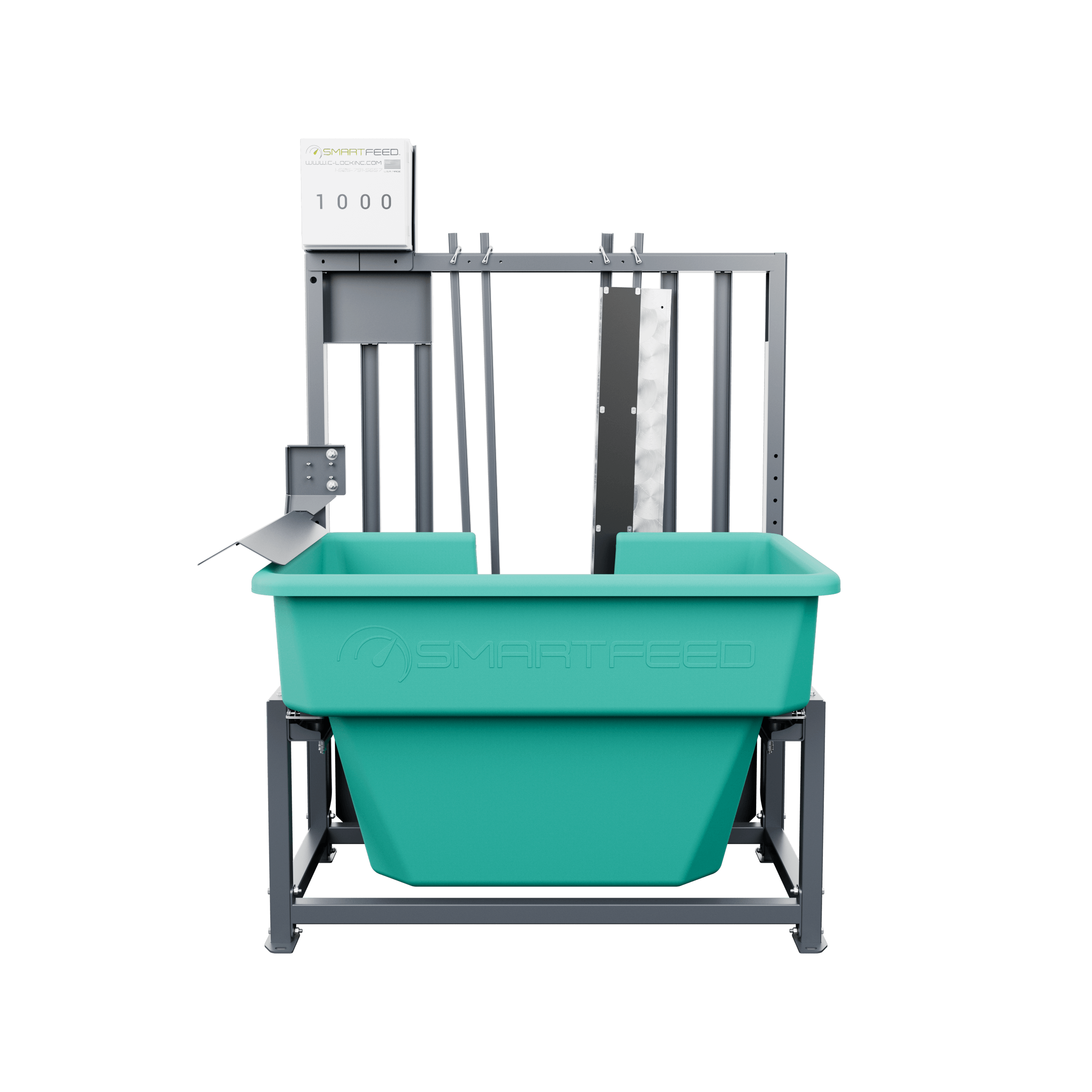
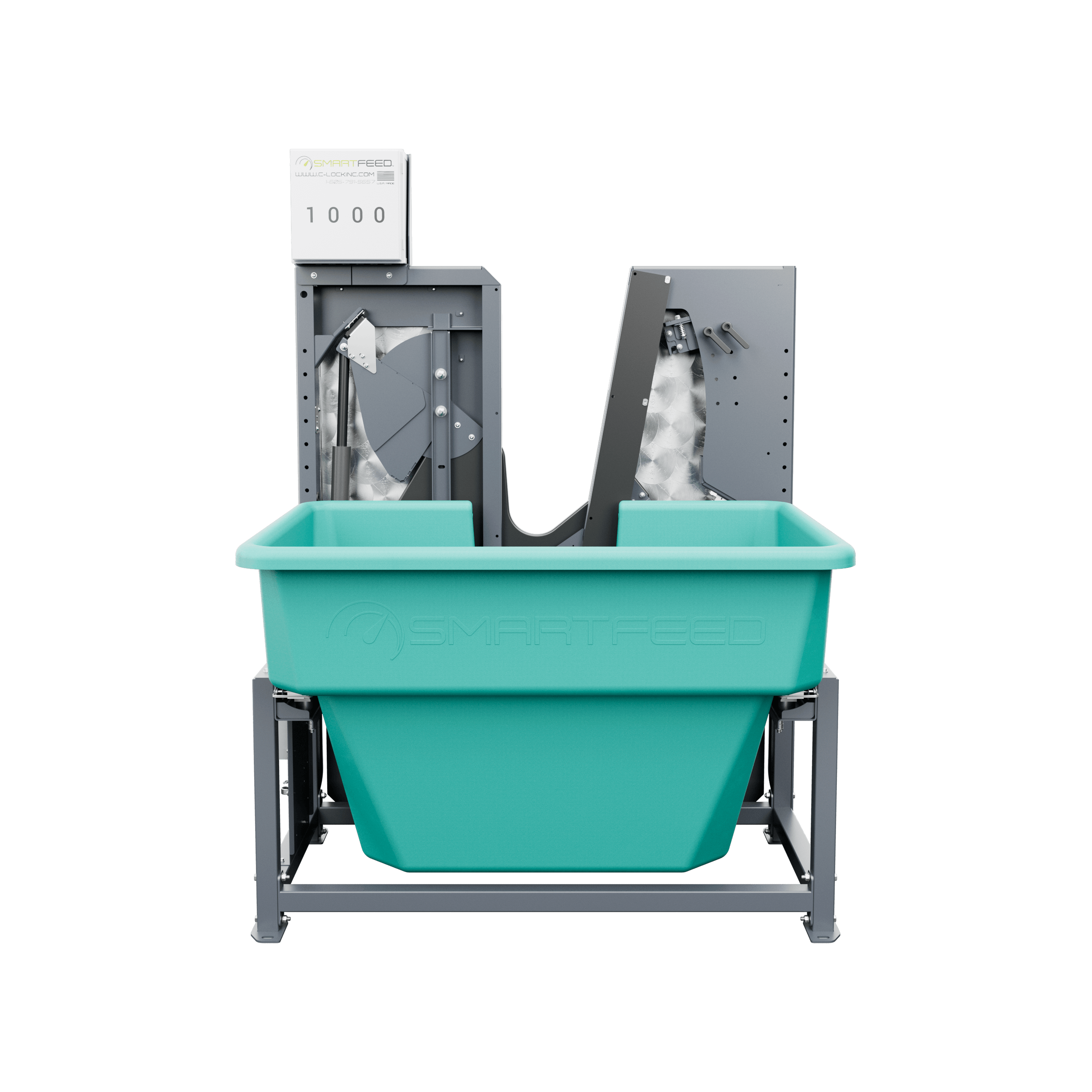
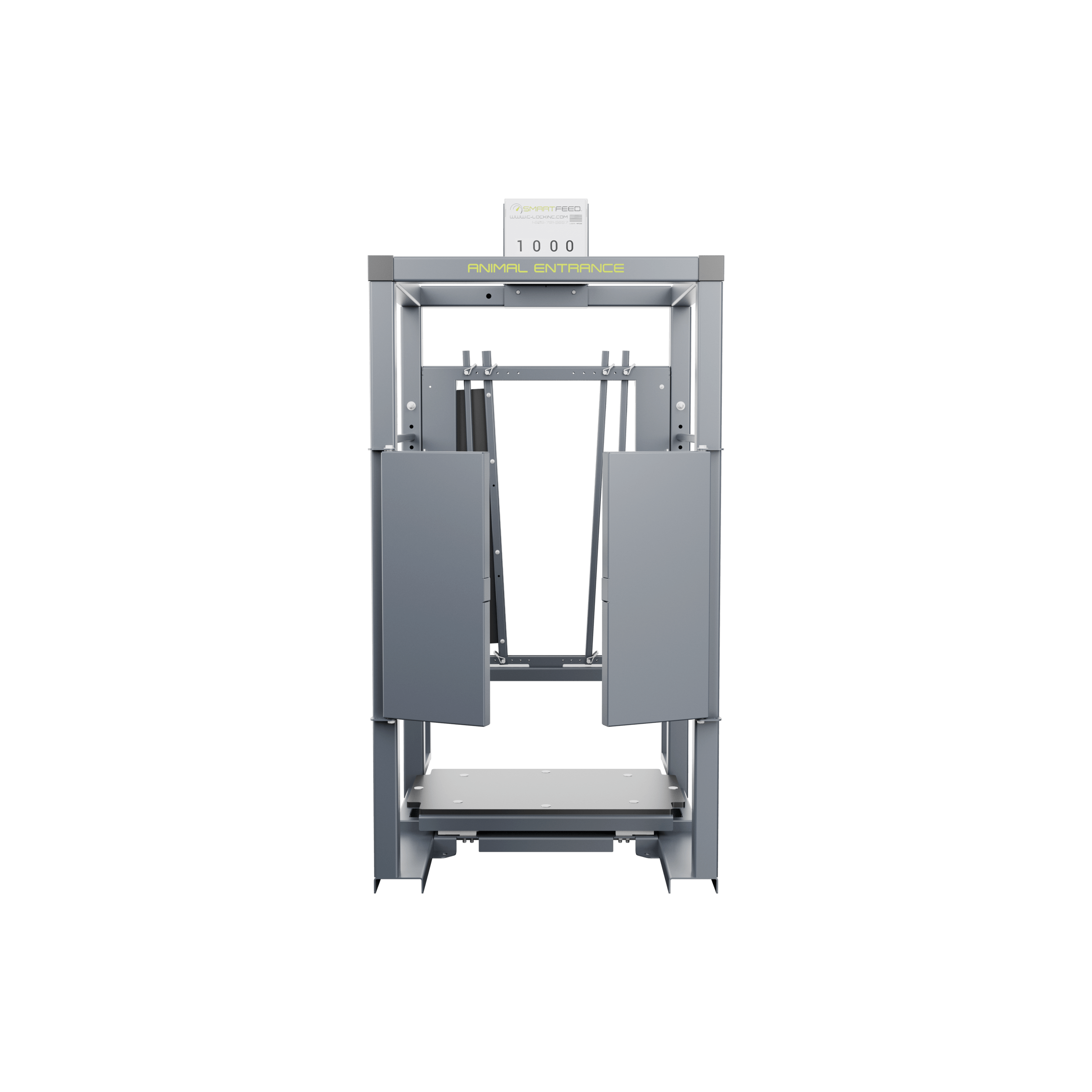
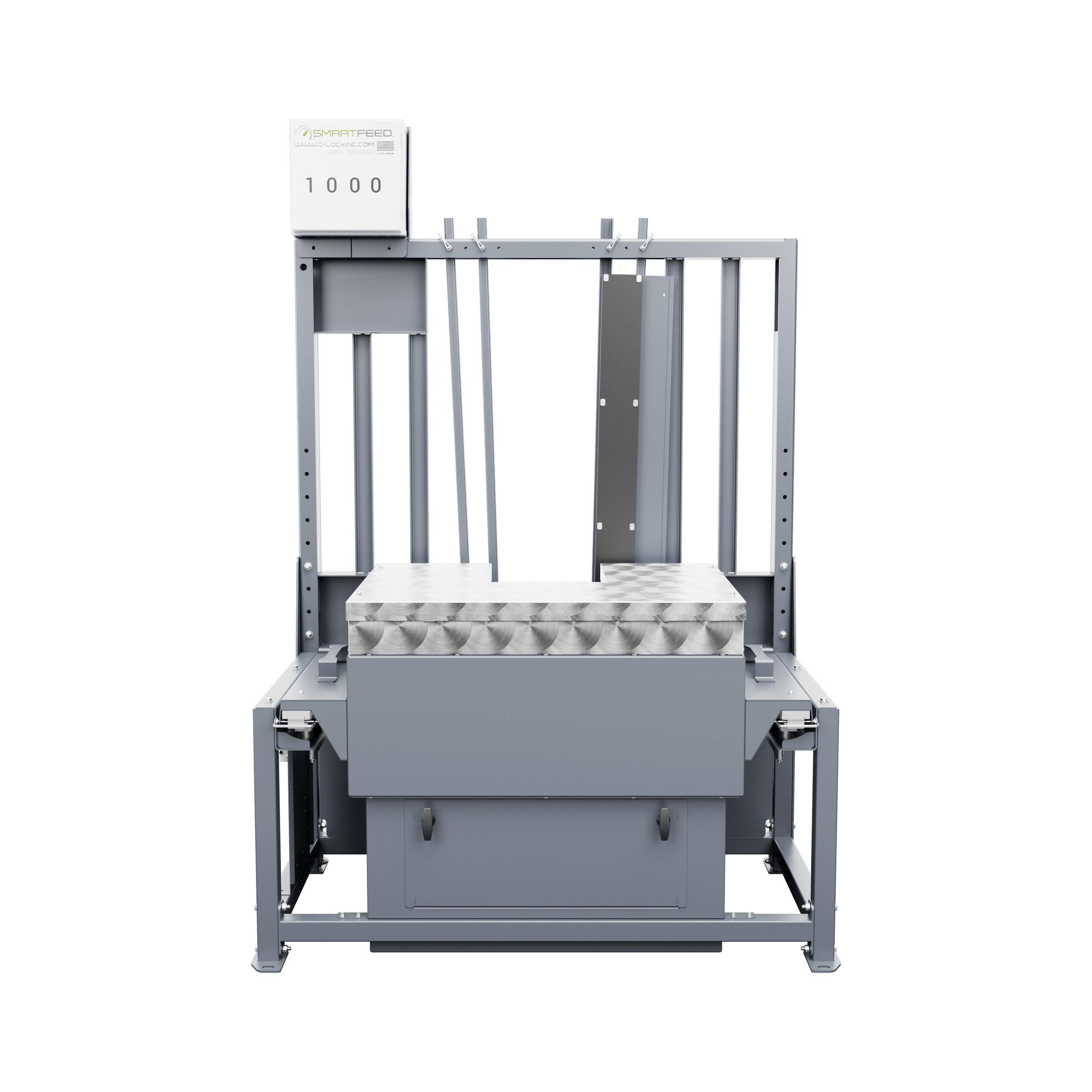
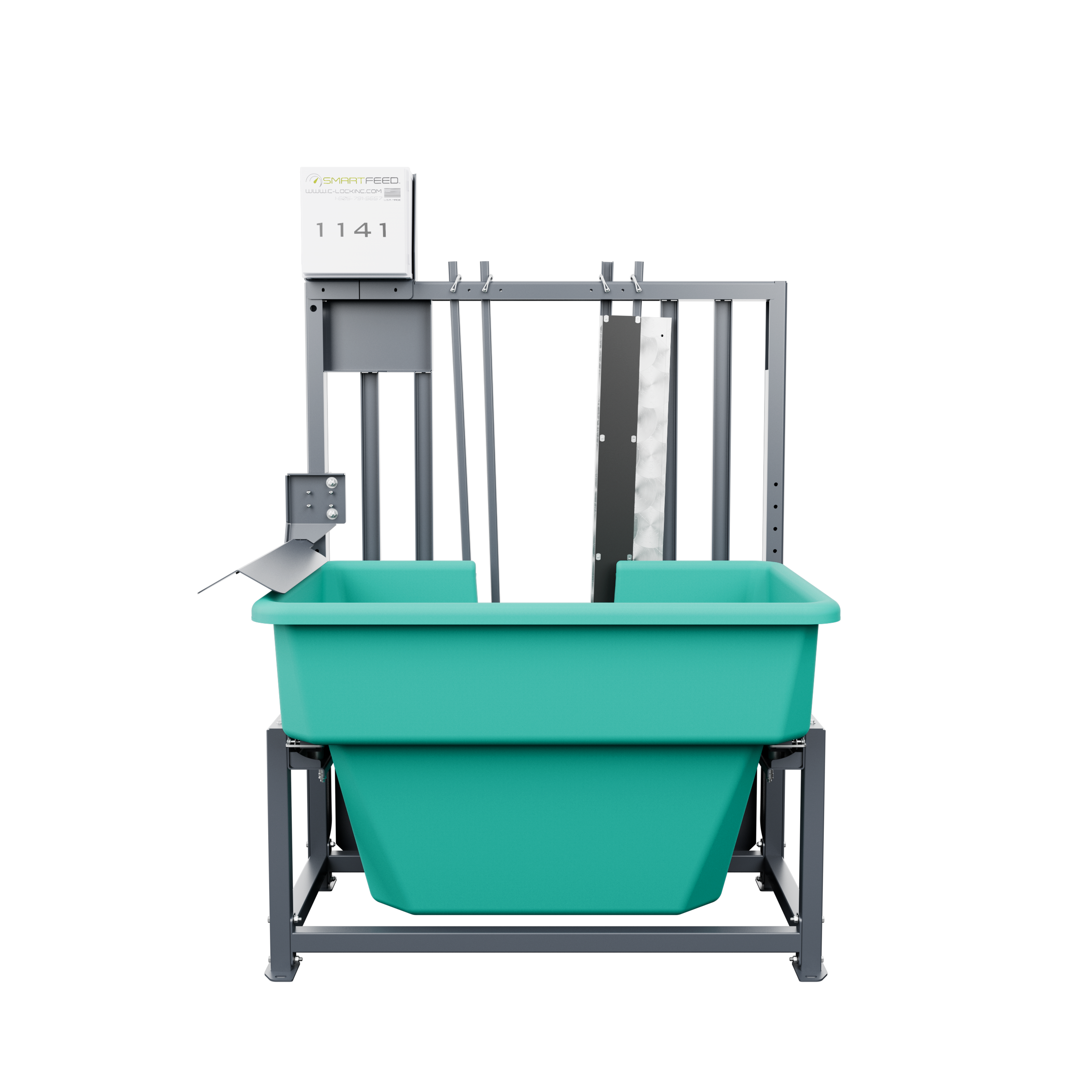
SmartFeed is C-Lock’s automated feeding and data collection system designed to measure and manage individual animal intake. Using electronic identification, SmartFeed delivers precise feed portions to each animal, monitors consumption in real time, and records detailed intake data for analysis.
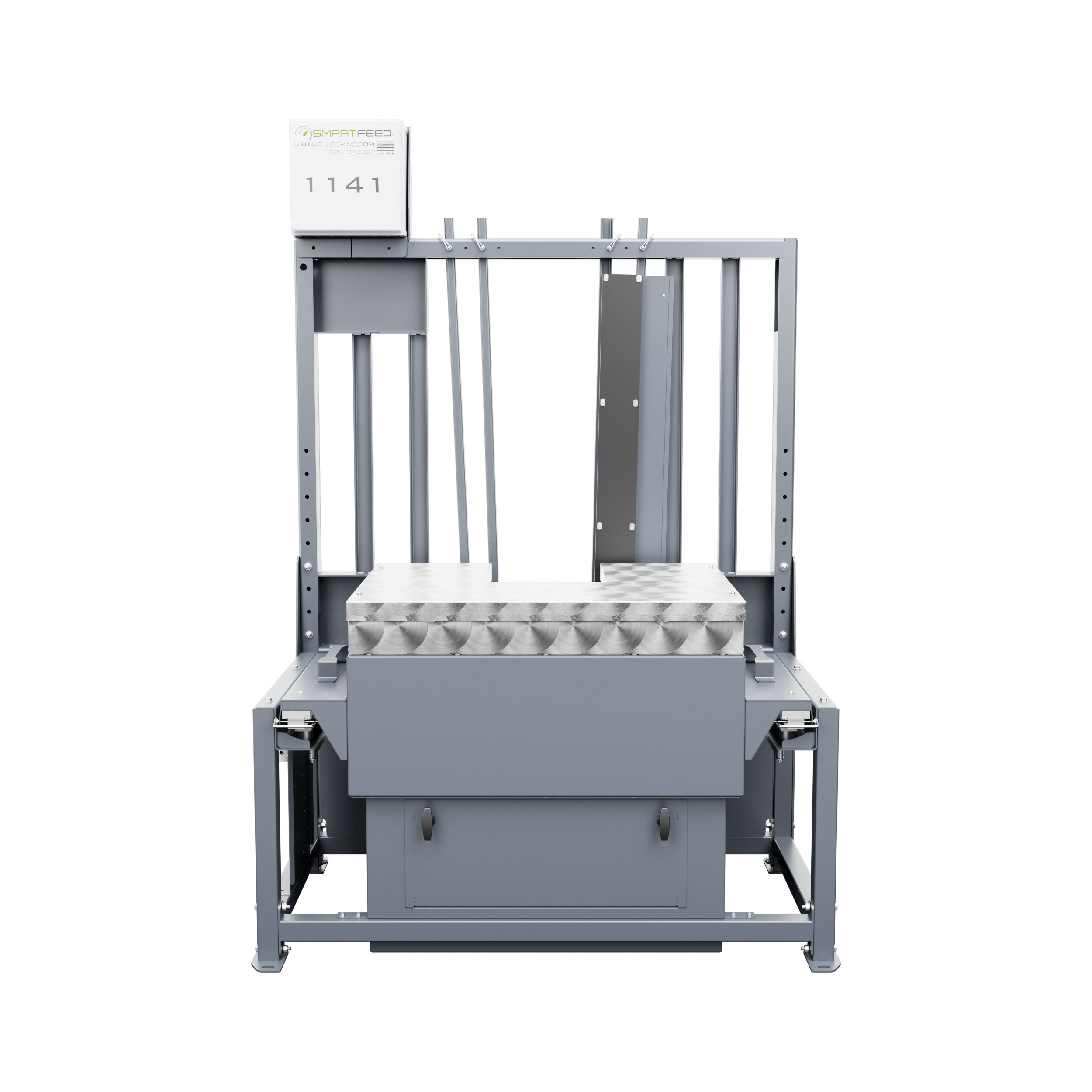
SmartWater is C-Lock’s automated system for tracking individual animal water intake and behavior. Using RFID technology, it records precise drinking events, frequency, and duration—providing valuable insights into animal health, hydration, and performance.
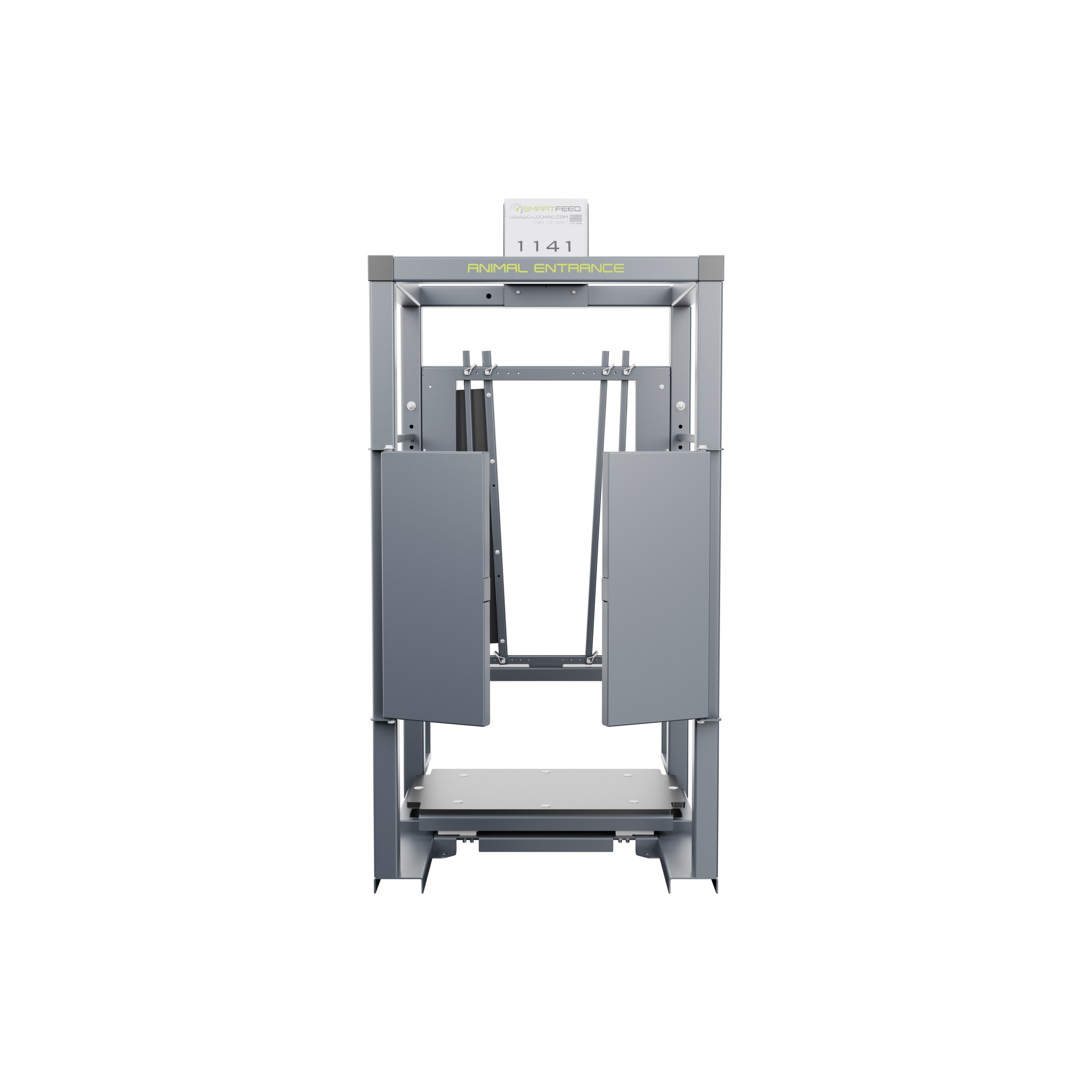
SmartScale is C-Lock’s advanced weighing system designed to automatically capture individual animal weights with precision and minimal stress. Using RFID technology, animals are identified and weighed as they pass over the scale, allowing for continuous, hands-free data collection.
| Acronym | Definition |
| ADG | Average Daily Gain – how much weight an animal gains per day |
| CH₄ | Methane – a greenhouse gas produced via enteric fermentation in ruminants |
| CO₂ | Carbon Dioxide – another key GHG used in metabolic monitoring |
| DMI | Dry Matter Intake – total feed consumed, excluding moisture |
| EBV | Estimated Breeding Value – a genetic prediction tool |
| FCR | Feed Conversion Ratio – kg of feed per kg of weight gain |
| GHG | Greenhouse Gases – includes CH₄, CO₂, and N₂O |
| IPCC | Intergovernmental Panel on Climate Change – sets global GHG protocols |
| LCA | Life Cycle Assessment – quantifies environmental impact of a product |
| MRV | Measurement, Reporting, and Verification – frameworks for validating GHG data |
| RFI | Residual Feed Intake – a measure of feed efficiency independent of growth |
| Scope 1 & 3 | Direct and indirect GHG emissions (Scope 1: owned farms; Scope 3: suppliers) |
| TMR | Total Mixed Ration – common dairy feeding strategy |
| UNFCCC | United Nations Framework Convention on Climate Change – international climate treaty |
| USDA ARS | United States Department of Agriculture, Agricultural Research Service |
| VM0041 | Verra’s official carbon credit methodology for enteric methane reduction |