C-Lock products are trusted by researchers worldwide, with 800+ peer-reviewed publications and acceptance within IPCC Tier 3 methodologies and leading carbon frameworks. Our integrated platforms—GreenFeed, SmartFeed, and SmartScale—deliver validated, repeatable, and publication-ready data on ruminant emissions, feed intake, and animal performance.
By combining high-precision sensors, controlled sampling, and advanced analytics, C-Lock turns complex biological signals into reliable data for climate, nutrition, genetics, and efficiency research.
Peer Reviewed Publications
Units Deployed Across the Globe
Data Points Collected & Stored
Validated Accuracy Within ±1-2%
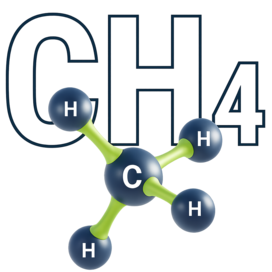
Measured with a Tunable Diode Laser (TDL) at ±0.3% accuracy, methane data enable precise comparison of emissions between animals, diets, and management strategies.
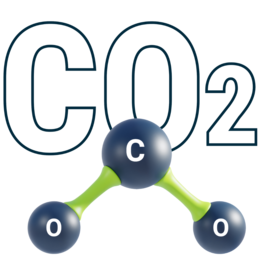
Measured using a non-dispersive infrared (NDIR) sensor with ±1% accuracy, CO₂ data help quantify respiratory activity and provide essential context for total gas exchange and emissions calculations.
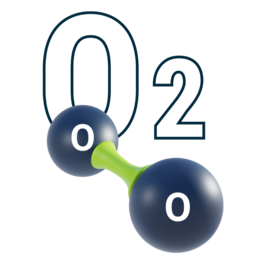
Measured using a paramagnetic sensor, oxygen data support evaluation of respiratory efficiency and metabolic function.
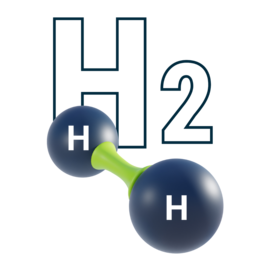
Measured using a paramagnetic sensor, hydrogen data support evaluation of respiratory efficiency and metabolic function.
Measured with a Tunable Diode Laser (TDL) at ±0.3% accuracy, methane data enable precise comparison of emissions between animals, diets, and management strategies.
Measured using a non-dispersive infrared (NDIR) sensor with ±1% accuracy, CO₂ data help quantify respiratory activity and provide essential context for total gas exchange and emissions calculations.
Measured using a paramagnetic sensor, oxygen data support evaluation of respiratory efficiency and metabolic function.
Measured using a paramagnetic sensor, hydrogen data support evaluation of respiratory efficiency and metabolic function.
GreenFeed employs a precisely controlled airflow system to capture exhaled air and eructations while maintaining sampling integrity across animals and environments. Integrated flow meters and environmental controls allow gas concentrations to be accurately converted into grams per day of emissions.
This controlled sampling architecture ensures repeatable and comparable measurements across animals, sites, and study durations, supporting both cross-site trials and longitudinal research designs.
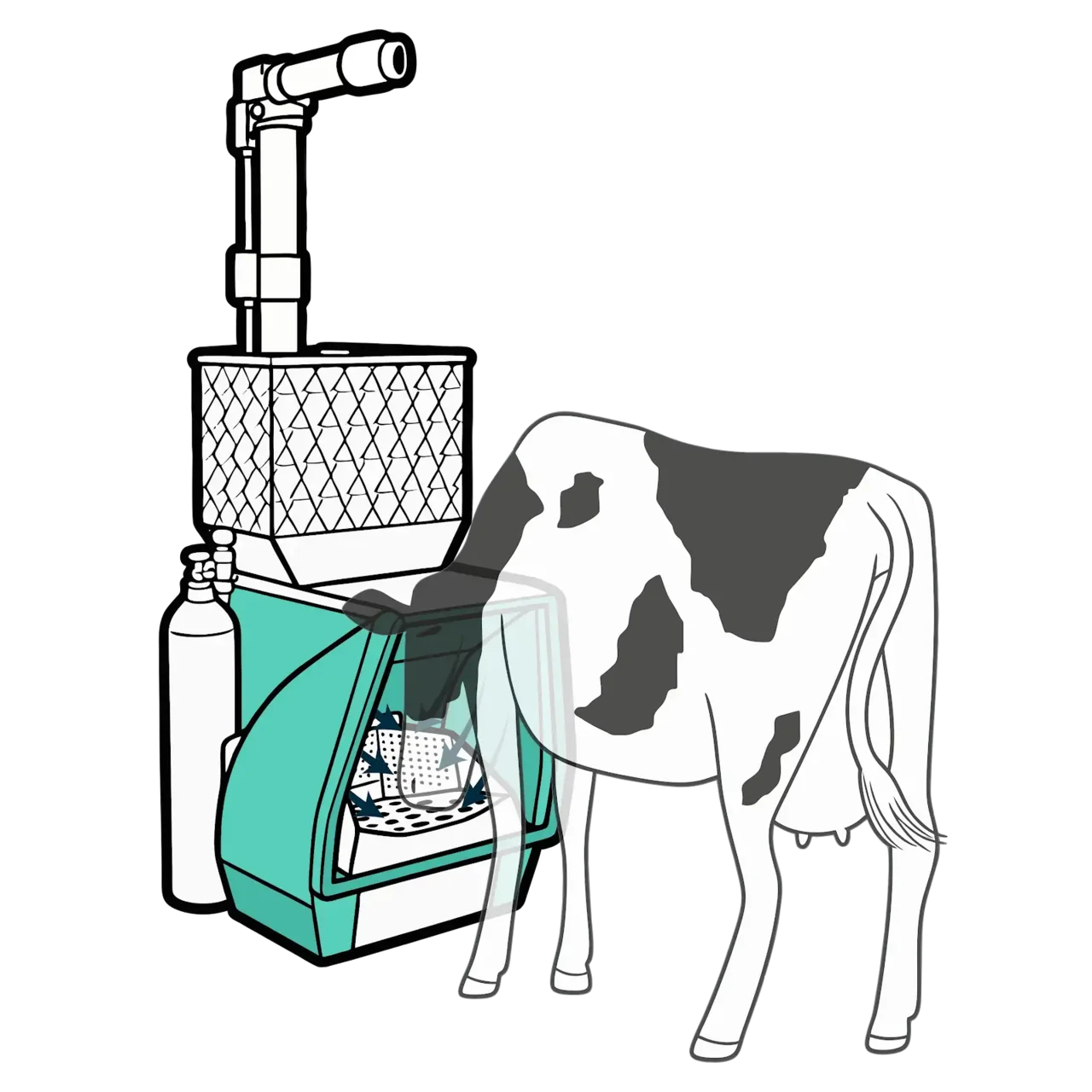
All sensor data is transmitted to C-Lock’s cloud-based analytics platform, where it is:
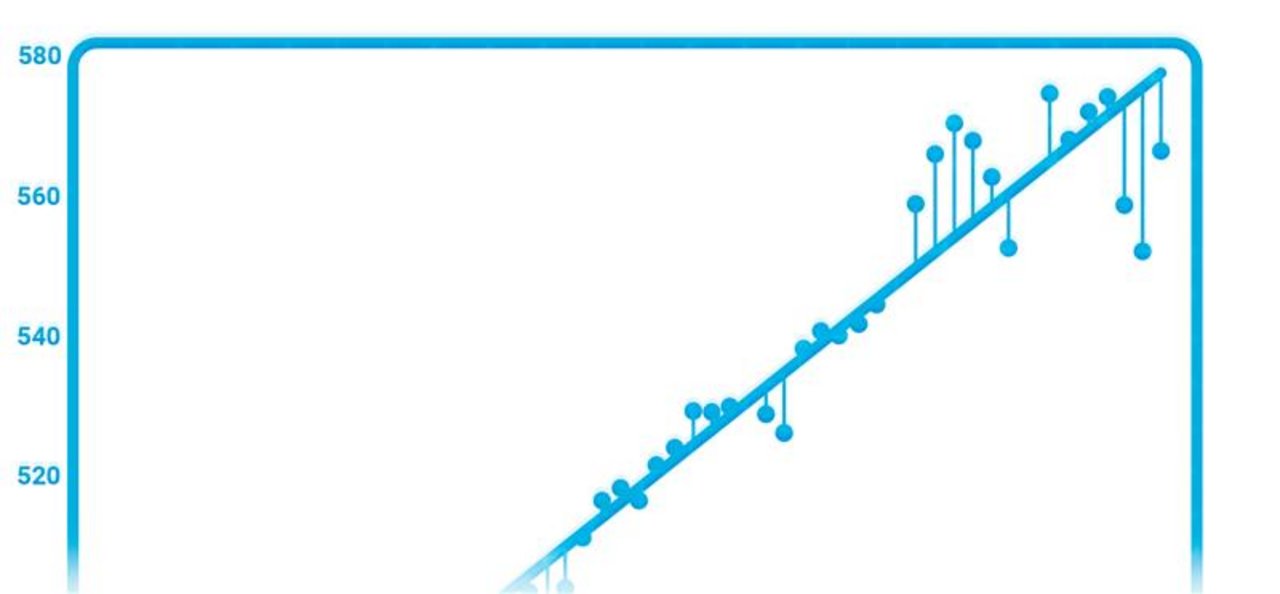
Emission estimates are derived by integrating gas concentrations, airflow rates, and time-stamped animal visits to calculate daily emissions per individual animal. This approach ensures consistent emissions estimates regardless of variability in animal behavior, such as visit timing or duration.
Built-in statistical models correct for uneven sampling patterns, including differences in feeder visitation among dominant or less-frequent animals. These corrections reduce behavioral noise while preserving biological signal—an essential requirement for robust, peer-reviewed research and regulatory methodologies.
C-Lock technologies have been validated across academic, government, and industry research programs worldwide.
Data generated using GreenFeed systems are routinely incorporated into multi-institutional trials, international meta-analyses, and decision-critical research informing emissions models, nutritional strategies, and genetic improvement programs