For decades, respiration chambers set the standard for measuring enteric methane. C-Lock took that same scientific foundation, improved it, and expanded it beyond the laboratory with GreenFeed®, delivering globally standardized measurements where cattle actually live, eat, and behave.
It is true that respiration chambers measure enteric methane very precisely — the problem is each one is individually built and calibrated, so results don’t always compare between facilities. GreenFeed measures the same quantity, methane mass flux in g CH₄/day, in the animal’s own barn, feedlot, or paddock, with every unit traced to the same global standard. Head-to-head, it lands within 1% of a respiration chamber for measuring CH₄.
Both technologies measure gas concentration and an airflow to arrive at a grams-of-methane-per-day measurement. What differs is how, and where, each one takes that measurement.
Same equation, very different conditions.
Three reasons two “accurate” numbers don’t always line up.
A chamber is a sealed box — total control, but not the animal’s natural environment, and cattle often behave differently inside. When steers were moved into respiration chambers, their feed intake dropped roughly 15%, with blood tests confirming a stress response driving it. Because methane production tracks feed intake, that drop alone pulls the measured number down. GreenFeed measures animals in their normal environment, where they eat normally.
View the Study Here →Every GreenFeed is standardized against a common baseline, so results are directly comparable across every unit worldwide. Chambers aren’t: a 2015 study of 22 UK chambers across six facilities found methane recovery ranging from 59% to 115% — a huge disparity between supposedly identical instruments.
View the Study Here →Chambers earn their accuracy by controlling every variable inside the box — but each is designed, built, and run differently by different scientists, so no two are truly alike. GreenFeed uses one standardized design and operation, so that accuracy holds across every unit.
Same measurement, two very different machines. Here is how the reference-standard chamber and the field-deployed GreenFeed stack up on the things that actually shape a study.
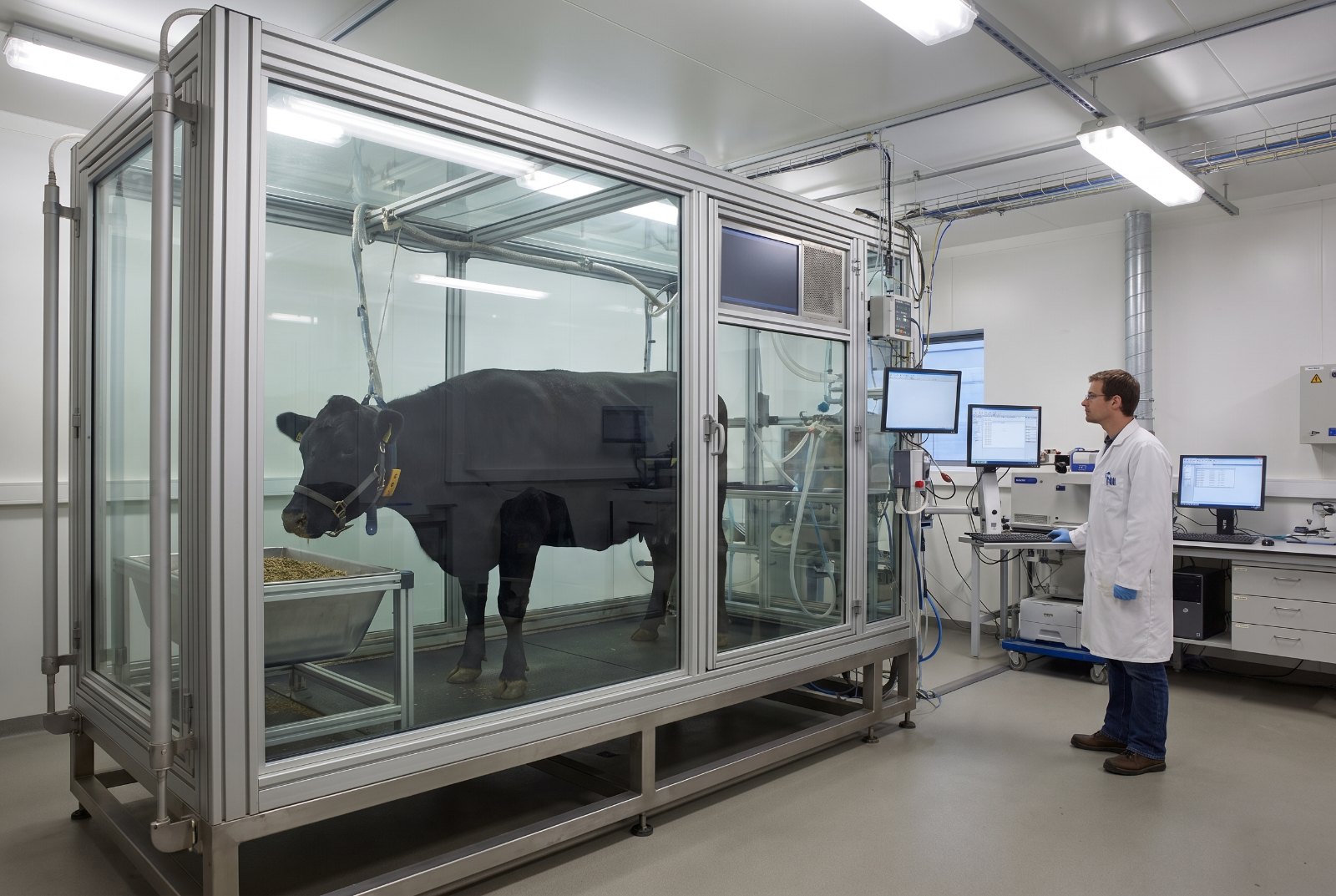
Environment
Sealed laboratory enclosure
The animal is housed alone in a controlled, artificial room.
Measurement Frequency
Continuous, short window
Every breath captured — but only for a day or two at a time.
Deployment
Fixed facility
A purpose-built room that never leaves the laboratory.
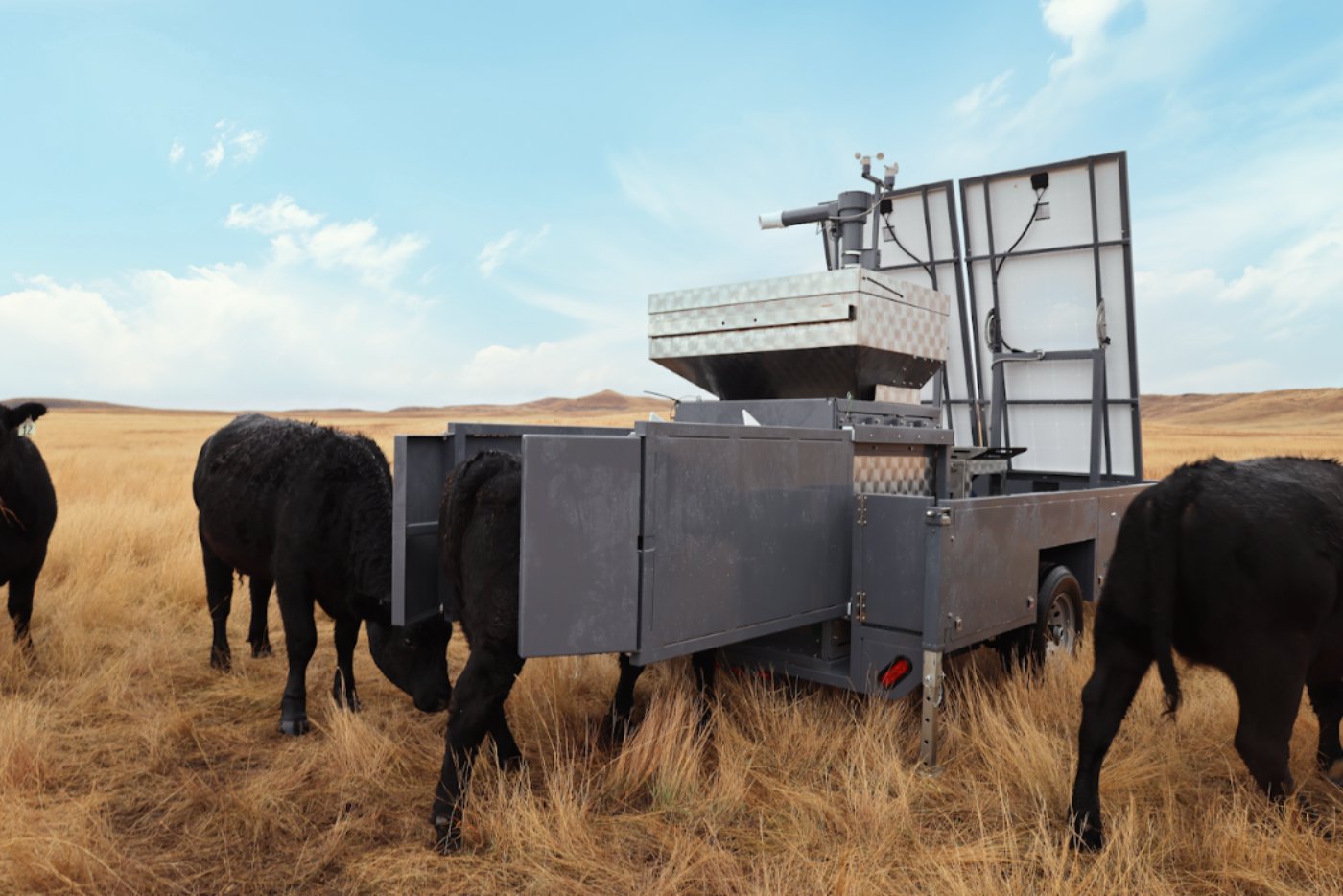
Environment
Natural farm environment
Measured in the barn, feedlot, or pasture where it already lives.
Measurement Frequency
Repeated sampling, long term
Many short voluntary visits build a picture across weeks or months.
Deployment
Portable & on-farm
Rolls out to commercial operations and grazing systems.
See It In Action
In this video, we’ll explore how the two technologies compare, where each method excels, and why GreenFeed has become one of the most widely used methane measurement systems in the world.
GreenFeed’s advantage isn’t a single feature — it’s a system built so every measurement, on every unit, in every country, means the same thing.
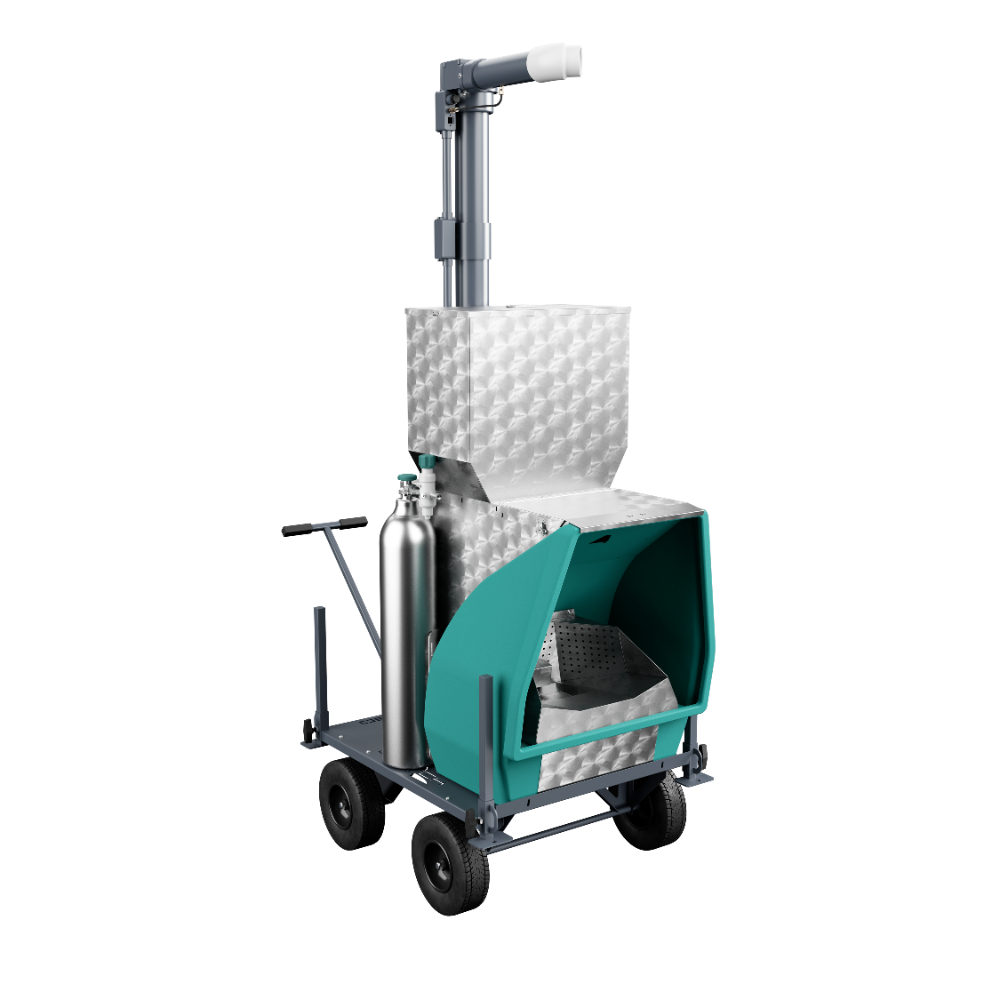
Every GreenFeed follows the same measurement process, ensuring every measurement is collected the same way.
Rigorous design and manufacturing standards mean every machine is built and calibrated correctly.
Results from any farm, in any country, can be placed side by side and trusted.
Repeated visits across weeks — not one animal measured for a single fixed window.
Airflow, background gases, and conditions are measured and corrected on every visit.
The Turning Point
In 2015, researchers released a known, identical quantity of methane into 22 respiration chambers across six UK facilities. If the gold standard were truly standardized, every chamber would have returned the same number. They didn’t.
Recovery ranged from 59% to 115% of the gas actually released. Combined uncertainty across the facilities was 25.7%, and only fell to 2.1% after every chamber was corrected against a common reference. Each was a “gold standard” at its own site — yet they disagreed wildly with one another. If two chambers can’t agree on the same released gas, two studies run in different chambers can’t truly be compared.
GreenFeed methodology is cited in 800+ peer-reviewed publications. See the full publications library.
Respiration chambers established the science. GreenFeed
made it practical.
They are the reference method, and within a single facility they can be a precise measurement tool. They are not standardized between facilities. A ring test of 22 chambers across 6 UK research sites found methane recovery ranging from 59% to 115% of the gas actually released, with combined uncertainty of 25.7% — falling to 2.1% only once each chamber was corrected against the international methane standard.
In a published head-to-head validation, GreenFeed differed from a respiration chamber by 1% for CH₄ and 2% for CO₂. Measured against a mass flow controller releasing known quantities of gas, GreenFeed differed by 1% for CH₄ and 3% for CO₂. Across 20 direct comparisons in the literature, R² ≈ 0.92.
Yes. Cattle moved from their home pens into chambers reduced dry matter intake by 15–19%; sheep by 15–25%. Because methane production tracks intake, reduced intake in a chamber leads to an underestimate of the animal’s emissions — and the effect is strongest in the animals most stressed by confinement.
Chambers differ in construction, volume, ducting, sealing, gas analyzer, and airflow rate, and each facility calibrates its own equipment. Unless every chamber is corrected against a common traceable standard, results from one facility cannot be assumed equivalent to another’s. Chamber studies remain fully valid for comparing animals measured at the same site.
Yes. Because the unit is portable and animals visit it voluntarily, GreenFeed can be deployed in barns, feedlots, dairies, and open pasture — including extensive grazing systems where respiration chambers cannot operate at all. This is one of the main reasons it is used for real-world production and grazing research worldwide.